My Toughts
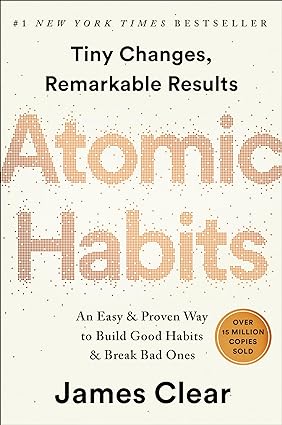
“Atomic Habits: Tiny Changes, Remarkable Results,” we delve into the world of habits and self-improvement. Clear presents a wealth of knowledge and practical advice for anyone looking to make significant changes in their life. Let’s explore some of the key takeaways that can empower you to build a life full of remarkable results.
The book reveals that remarkable results don’t require grand gestures. Instead, it’s the small, consistent changes we make daily that shape our lives. Whether you’re looking to create new habits, break old ones, or improve your self-image, the key lessons from this book provide a roadmap to transform your life. By understanding the psychology of habits and implementing Clear’s practical strategies, you can build a life filled with remarkable results.
In the end, the two main factors I took from this book is that small consistent changes turn into big changes and shape new habits. The other one, it so setup for success, meaning to prepared the environment around you to facilitate the change. If want to cut sugar, stop putting suggar products into your grocery list, if want to go to the gym have your shoes and clothes ready for it.
Key Lessons
The Power of Marginal Gains:
James Clear emphasizes “the aggregation of marginal gains.” This philosophy involves seeking tiny improvements in every aspect of your life. Just as money multiplies through compound interest, so do habits. Good habits compound over time, making time your ally, while bad habits make time your enemy. To harness this power, understand how habits work and learn to design them to your liking.
Systems Over Goals:
The book challenges the traditional goal-setting approach. He argues that focusing on systems rather than goals is more effective. Goals create an “either-or” conflict – either you achieve your goal and succeed or you fail and are a disappointment. Instead, embrace systems where you fall in love with the process itself. Systems enable continuous improvement and allow you to be happy throughout the journey, not just at the destination.
Identity-Based Habits:
Introduces the concept of identity-based habits. Many people focus on what they want to achieve, leading to outcome-based habits. However, building identity-based habits starts by focusing on who you want to become. By shifting your identity, your behavior aligns with your beliefs, making your improvements more permanent.
Feedback Loops and Awareness:
A significant part of habit formation is becoming aware of your habits. Clear presents the concept of the “Habits Scorecard,” a tool to identify your daily habits. Raising awareness helps you recognize your cues and triggers, making it easier to respond in ways that benefit you.
The 4-Step Habit Loop:
Outlines the four steps of habit formation: cue, craving, response, and reward. Understanding how these steps work and using them to your advantage can help you create and break habits more effectively.
The Laws of Behavior Change:
Clear introduces four laws for creating good habits (Cue, Craving, Response, Reward) and their inverses for breaking bad habits (Make it Invisible, Make it Unattractive, Make it Difficult, Make it Unsatisfying). Applying these laws to your habits can make a significant difference in your life.
The Power of Temptation Bundling:
To make a habit more attractive, using temptation bundling. This technique links a behavior you want to do with one you need to do, making it more appealing and motivating.
The Influence of Environment:
Your environment plays a crucial role in shaping your habits. Creating an environment that makes good habits obvious and bad habits invisible can significantly impact your success.
The Importance of Joining a Culture:
Joining a culture where your desired behavior is the norm can make it easier to stick to your habits. The power of the tribe can either help or hinder your habit formation.
Two-Minute Rule:
For making the first two minutes of any habit as easy as possible. This reduces the friction between you and the desired behavior and increases the likelihood of success.
The Role of Emotions:
Focus on the connection between habits and emotions. Positive emotions cultivate habits, while negative emotions can destroy them. Understanding the role of emotions can help you navigate your habit journey.
Tracking and Accountability:
Habit tracking provides a visual cue of your progress, making it inherently motivating. Additionally, accountability partners or habit contracts can help you stay committed to your goals.
Leveraging Your Natural Inclinations:
Success in building habits often aligns with your natural abilities and interests. Competence in an area makes it more satisfying to maintain habits in that domain.
Beware of Boredom:
The greatest threat to success is not failure but boredom. Create engaging and meaningful habits to keep yourself motivated and on track.